
Sponsored Post: Careerist
In the ever-evolving world of tech, having skilled professionals who are able to carefully monitor the software development life cycle to ensure high standards remain consistently crucial. That’s why becoming a quality assurance (QA) engineer continues to be a viable career path for many—even for career switchers without a degree in computer science. But how can you get your foot in the door?
Below, we’ll take a look at how you can become a QA engineer even without a computer science degree, from the skills you’ll need to stand out to hiring managers to the steps that will help you learn them.
What Is a Quality Assurance Engineer?
QA engineers work to ensure a product meets all requirements before it’s launched, by monitoring every stage of the software development process to find and address any issues or possible improvements. They then continue to test and enhance the product to make continued improvements and fix any bugs that emerge. As such, they’re an incredibly important asset in the creation, launch, and maintenance of software.
The responsibilities of a QA engineer include determining the quality requirements for the product, programming test cases and test scripts to locate and fix bugs, tracking and documenting quality, communicating test data to software developers, and repeating and improving testing processes.
Skills Needed to Become a QA Engineer
Programming Languages
First of all, you’ll want to know how to read and write code, in order to better validate the integrity of the programming. Which of the various coding languages you choose to pursue will depend on several factors, but some popular one include C#, Java, JavaScript, Python, Ruby, and SQL.
Test Automation and Manual Testing
Although it’s still necessary to know how to perform manual tests, automated testing is gaining a larger and larger role in the software testing life cycle. Therefore, you’ll want to know not only how to perform manual QA yourself, but also how to choose and use the right automation tools.
Security testing
Today’s tech world is full of security threats, so software testers need to know how to find and address any vulnerabilities. Doing so will be crucial in ensuring strong defenses and data security for your company and your users.
User Experience (UX)
The software being developed won’t exist in a bubble. Once launched, it will be used by a variety of people, so understanding user behavior is incredibly beneficial to QA processes. This way, you can anticipate different scenarios and how people might interact with the software differently from you.
Application Programming Interfaces (APIs)
APIs enable communication between different applications, allowing for greater security, efficiency, and scalability. So it’s useful to know how these systems work within software engineering and development processes and how to conduct API testing to assure they’re working properly.
Soft Skills
However, hard skills aren’t the only factors that will strengthen you as a QA automation engineer. Soft skills such as critical thinking, problem solving skills, communication skills, and more are just as essential. After all, your work will involve not only finding and fixing problems, but also interacting with different stakeholders to determine quality requirements and to report defects and solutions.
Test Management Tools
Because there are so many distinct parts to track in quality assurance, knowing which management tools to use and how to use them will be incredibly useful in keeping your priorities organized, transparent, and up to date.
Training Pathways for Career Changers
If you’re thinking of entering QA engineering from a different industry, you may be daunted by the concept of having to invest four years and thousands of dollars on a new degree. However, many people have been able to break into tech without a degree thanks to short-term career training programs. These provide focused education on one particular topic, such as quality assurance, information technology, data analytics, software development, and much more.
Over the years, schools like Careerist have emerged to offer QA engineer training programs to aspiring professionals through practical technical education.1 And because, even though more and more employers are focusing on skills rather than degrees, there is still often a gap between those with a degree and those without in the job market.2 The top programs take extra steps to help their learners without a formal computer science education bridge that gap. Many offer career services like career coaching, mentorship and internship opportunities, resume and interview prep, and job search assistance.
How to Become a QA Engineer Without a Computer Science Degree: Our Step-by-Step Guide
Let’s take a look at how to become a quality assurance engineer in five steps.
Step 1: Learn More About the Field
The first thing you’ll want to do is to take a look at QA engineering as a field, using free resources online to learn more about the job requirements and the skills needed to succeed in your career. Would the work you’d do interest you, and could it match your own skill sets? Also be sure to do some research on the job market in your area. Can you find local or remote companies that are hiring, or are you willing to relocate?
Step 2: Find a Certification Program
Now that you’ve determined that a QA engineering career is right for you, it’s time to find a training program. While many may opt for bachelor’s or even master’s degree, many others would prefer the flexibility of an alternative course such as a QA bootcamp. If you fall into the latter group, finding the right bootcamp for you will depend on your experience and career goals, your availability and flexibility, and your budget compared to the tuition and available financing options.
For example, for some learning remotely and at their own pace will be the right choice, as they may have other work or family commitments. Meanwhile others may be able to dedicate themselves to full-time classes or need in-person education to better absorb the material. Consider factors such as reputation, curricula and program intensity, teaching style, duration and schedule options, cost and financing availability, and career services when choosing the best bootcamp for your goals, lifestyle, learning style, and budget.
Step 3: Earn Your QA Certificate
Once enrolled, the next step is to complete your course and earn your certificate. During the program, you’ll have an opportunity to get hands-on experience in a range of skills that a QA test engineer needs, from common programming languages and software development tools, to how to execute effective testing, and beyond.
Step 4: Start Your Job Search
With some training under your belt, you can now begin searching for a QA engineering role. The most reputable programs will not only teach you the required technical skills, but also provide career assistance. Depending on the school, this can include partnerships with local businesses, job fairs and other networking opportunities, resume and interview assistance, and more. It’s important not only to take advantage of these resources, but also to put plenty of your own effort into attending networking events, applying for roles, and practicing interviews.
Step 5: Continuous Learning
In the ever-evolving world of tech, it’s crucial to always make sure you’re up to date on the latest tools and trends. Even once you’ve completed your program and landed a job, you’ll want to keep learning and networking. This way, you’ll be able to showcase your dedication and better equip yourself to advance in your career.
How Long Does it Take to Become a QA Engineer Without a Degree?
For many people, investing the time and money needed to get a four-year degree just isn’t possible. But luckily, there are viable alternatives like bootcamps for those looking for a cheaper or shorter path to QA engineering. These can range anywhere from a few weeks to several months—for example, Careerist offers a range of programs for different topics and lengths such as software quality assurance (four months), QA automation engineering (21 weeks), and their QA bundle (10 months). And depending on the school, you may have the options of full time, part time, or even self paced.
QA Engineering Salaries and Job Outlook
Despite recent shifts in the tech industry, the outlook for QA engineers remains relatively positive with promising job security. In fact, the Bureau of Labor Statistics (BLS) projects a 15% job growth rate through 2034 for software developers and QA testers and analysts.3 They site factors such as the emergence of new technologies like artificial intelligence and internet of things, the increasing integration of software into new products, and rising concerns about computer security as all having an impact on the expected increased need for quality assurance testing.
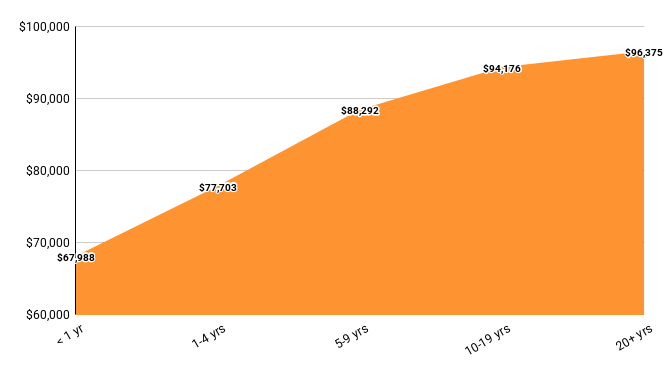
According to Payscale, the average salary for a QA engineer in 2026 is also comparably high, at more than $82,000 as of December 2025.4 And over the course of their careers, they can expect to see a significant increase in salary, ranging from an average of $67,988 for entry-level jobs to $96,375 for late-career roles.
Should You Pursue a Quality Assurance Engineering Career in 2026?
If you’re interested in a tech job that gives you a chance to work on interesting problems, improve products, and have ample opportunities to learn and grow, then QA engineering might be the right field for you. And Career Karma is here to help you take the first steps toward a new career, from our resource guides to our to our Comparison Tool, where you can see details about Careerist and other bootcamps who offer QA engineering programs. Start your search today to find the schools that match your goals, budget, schedule, learning style, and more!
Sources

"Career Karma entered my life when I needed it most and quickly helped me match with a bootcamp. Two months after graduating, I found my dream job that aligned with my values and goals in life!"
Venus, Software Engineer at Rockbot
3https://www.bls.gov/ooh/computer-and-information-technology/software-developers.htm#tab-6
4https://www.payscale.com/research/US/Job=Quality_Assurance_(QA)_Engineer/Salary
About us: Career Karma is a platform designed to help job seekers find, research, and connect with job training programs to advance their careers. Learn about the CK publication.